
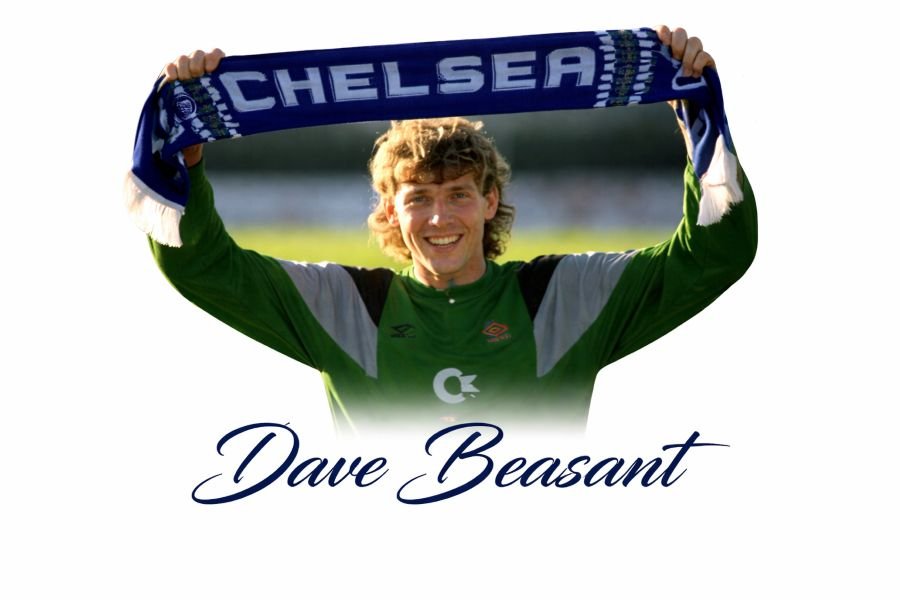
Introduction:
Dave Beasant, famously nicknamed “Lurch” for his towering presence and commanding style, is widely regarded as one of England’s most influential goalkeepers. Born as David John Beasant in Willesden, London, he carved a remarkable footballing career that spanned several decades, excelling both on the pitch and later as a respected coach. Known for his leadership, resilience, and unforgettable performances, Beasant’s journey offers valuable lessons for aspiring players and fans alike.
Quick Bio
| Attribute | Details |
|---|---|
| Full Name | David John Beasant |
| Nickname | Lurch |
| Date of Birth | 20 March 1959 |
| Birthplace | Willesden, London, England |
| Nationality | English |
| Height | 6 ft 4 in (1.93 m) |
| Weight | Approx. 90 kg |
| Profession | Football Player, Coach |
| Position | Goalkeeper |
| International Caps | 2 for England |
| Key Clubs | Wimbledon, Newcastle United, Chelsea, Southampton, Nottingham Forest |
Early Life and Football Beginnings
Dave Beasant grew up in Willesden, London, where his passion for football emerged at a young age. Showing early promise as a goalkeeper, he joined Edgware Town, a non-league club, marking the beginning of his professional journey. His dedication and exceptional performances quickly drew attention from larger clubs, leading to his signing with Wimbledon in 1979.
From the start, Beasant exhibited unique qualities that set him apart: exceptional reflexes, leadership skills, and the ability to command his defense. His height and agility earned him the nickname “Lurch,” reflecting both his physical presence and his imposing character on the field.
Professional Career Overview
Wimbledon (1979–1988)
Beasant’s tenure at Wimbledon marked the rise of a football legend. He was instrumental in the club’s progression from the Fourth Division to the First Division. His leadership culminated in the historic 1988 FA Cup victory against Liverpool, where he became the first goalkeeper to save a penalty in a final and captain his team to lift the trophy.
During this period, Beasant developed a reputation for fearless goalkeeping and unwavering focus. His performances were not only technically brilliant but also inspiring to teammates and fans.
Newcastle United (1988–1989)
After his FA Cup success, Beasant transferred to Newcastle United, making 20 league appearances. Despite a brief spell, he showcased consistent skill and professionalism, reinforcing his status as a reliable and strategic goalkeeper.
Chelsea (1989–1993)
Joining Chelsea, Beasant became a cornerstone of the squad. He accumulated over 130 league appearances and contributed to the team winning the Full Members’ Cup in 1990. His time at Chelsea solidified his reputation as a technically proficient and mentally resilient player, respected by peers and coaches alike.
Southampton (1993–1997)
Beasant continued to demonstrate excellence at Southampton, where his experience and leadership were invaluable. He maintained a high level of performance, earning the admiration of both fans and teammates. His ability to organize defense and command the penalty area distinguished him further as an elite goalkeeper.
Nottingham Forest (1997–2001)
At Nottingham Forest, Beasant brought a wealth of experience, contributing significantly to the team’s successes and mentoring younger players. His professionalism and consistency made him a crucial figure both on and off the pitch.
Later Career and Longevity
Even in the twilight of his career, Beasant continued to perform at a competitive level, playing for clubs like Portsmouth, Tottenham, Bradford, Wigan, Brighton, and Fulham. Remarkably, he appeared in a professional match at the age of 54, demonstrating his enduring physical fitness and dedication to football.
International Career
Dave Beasant earned two full caps for the England national team in 1989. He was also part of the 1990 FIFA World Cup squad, contributing to England’s tournament preparations. Although his international appearances were limited, his influence and skill at the club level were widely recognized.
Coaching Career
After retiring as a player, Beasant transitioned into coaching, becoming a respected goalkeeping coach. He held positions at Fulham, the Northern Ireland national team, The Glenn Hoddle Academy, Bristol Rovers, Stevenage, and Reading FC. His expertise and mentorship have shaped the careers of many aspiring goalkeepers, enhancing his legacy in English football.
Playing Style and Legacy
Beasant’s playing style combined technical proficiency with psychological strength. Known for his commanding presence, precise shot-stopping, and ability to read the game, he earned the nickname “Lurch” not just for his physical stature but also for his mental impact on matches.
His legacy extends beyond his playing days; as a coach, he has influenced a new generation of goalkeepers, ensuring that his knowledge, discipline, and approach to the game continue to shape English football.
Honours
Wimbledon:
- FA Cup: 1987–88
- Football League Fourth Division: 1982–83
- Football League Third Division promotion: 1983–84
Chelsea:
- Full Members’ Cup: 1990
Nottingham Forest:
- Football League First Division: 1997–98
Conclusion
Dave Beasant’s career exemplifies dedication, resilience, and leadership. From his early days in non-league football to captaining Wimbledon to FA Cup glory and later mentoring future goalkeepers, he has left an indelible mark on English football. His nickname “Lurch” symbolizes not only his physical dominance but also the impact he had on the game, inspiring countless players and fans alike.
FAQs
Q1: What is Dave Beasant’s full name?
A1: David John Beasant.
Q2: Why was he nicknamed ‘Lurch’?
A2: Due to his towering height and commanding presence in goal.
Q3: Which club did Dave Beasant captain to FA Cup victory?
A3: Wimbledon in 1988.
Q4: How many international caps did he earn for England?
A4: Two caps in 1989.
Q5: Which clubs did he play for after Wimbledon?
A5: Newcastle United, Chelsea, Southampton, Nottingham Forest, among others.
Q6: What is his role after retirement?
A6: Goalkeeping coach and football mentor.
Q7: Did he play professionally at an advanced age?
A7: Yes, he appeared in a professional match at age 54.
Q8: What major honour did he win with Chelsea?
A8: Full Members’ Cup in 1990.
Q9: What influence has he had as a coach?
A9: Mentored many aspiring goalkeepers and enhanced English football training standards.
Q10: Where was Dave Beasant born?
A10: Willesden, London, England.
Q11: What is his lasting legacy?
A11: Remembered as an iconic goalkeeper and influential coach, inspiring generations of players.
